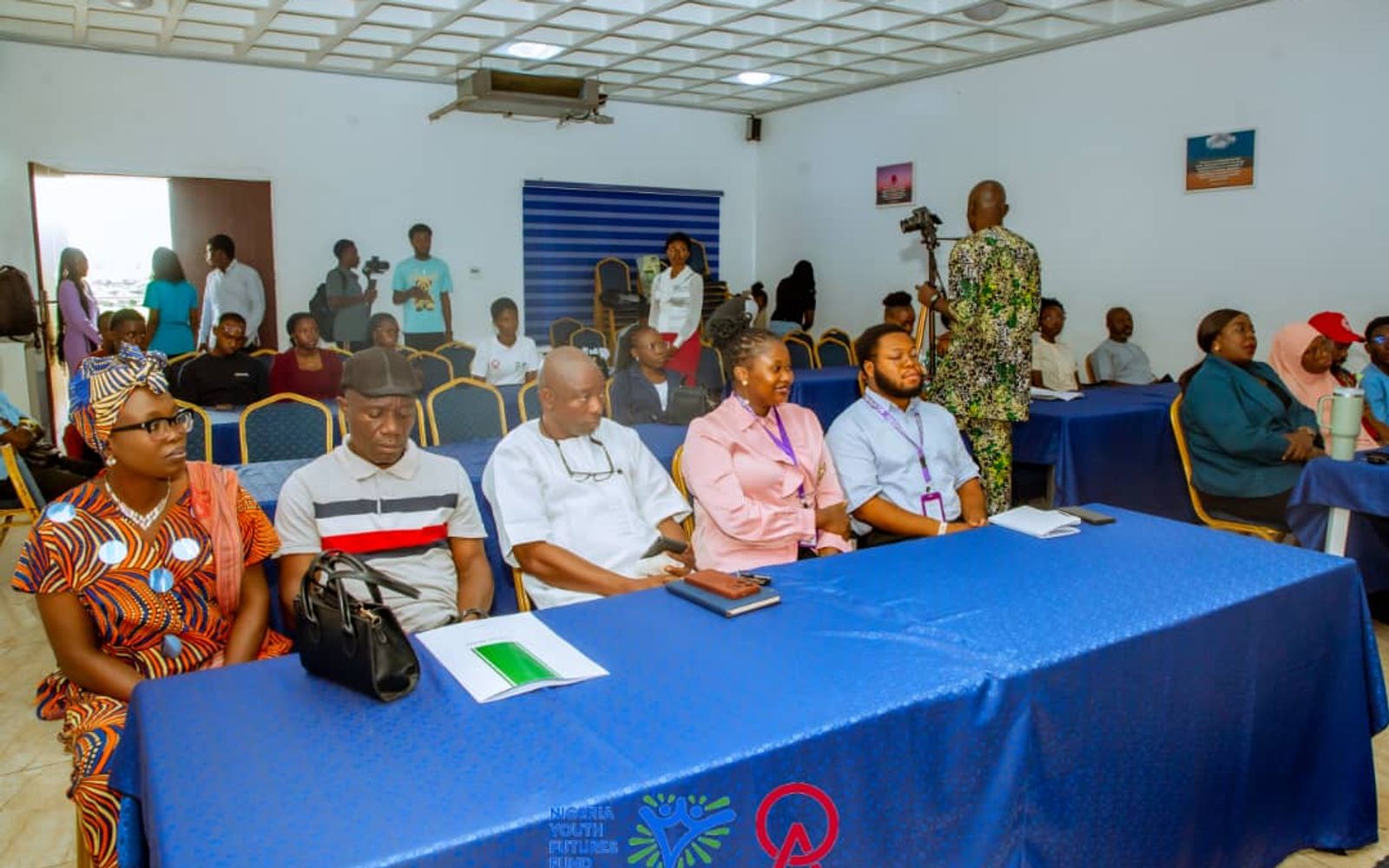
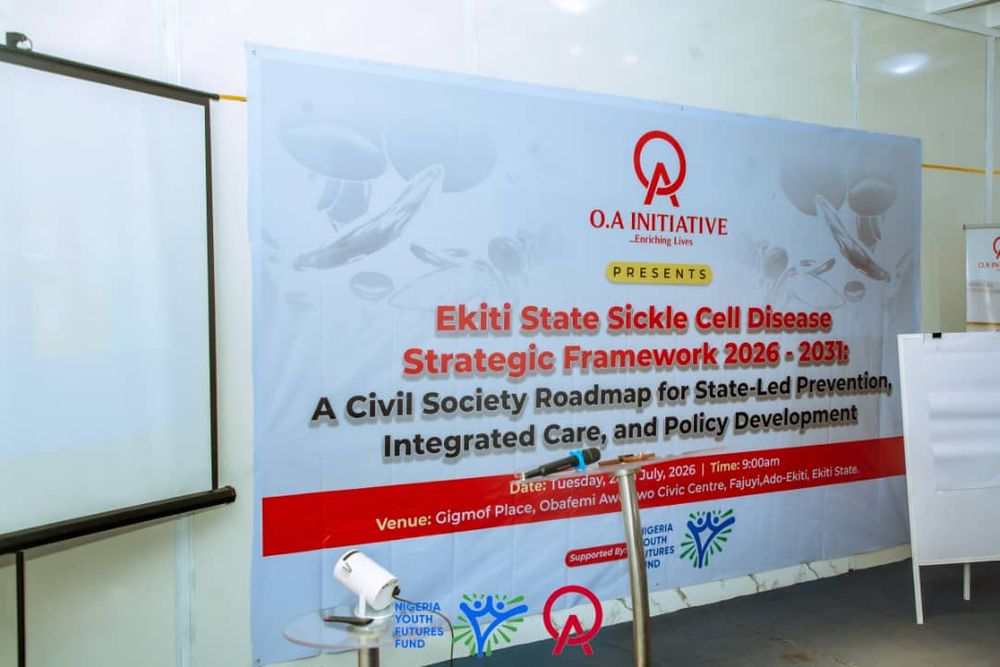
A roundtable can bring people into one room. It can create conversations, expose gaps, generate ideas, and produce recommendations but what happens when the meeting ends?
What happens after the handshakes, photographs, presentations, and exchange of contacts?
What will it take to transform recommendations into a functioning and sustainable system of sickle cell care in Ekiti State?
That is where the real work begins.
Changing the Narrative Through Education
Sickle cell disease is not only a medical issue. It is also a social and cultural issue. This is why education must be accessible to different audiences.
Child-friendly and community-friendly educational materials can help introduce accurate information in ways that people can understand and relate to.
Schools also have an important role to play. Integrating sickle cell disease education into the school curriculum can help young people develop accurate knowledge early, challenge harmful stereotypes, and make informed decisions as they grow.
Healthcare Should Not Only Exist; It Should Be Accessible.
For many people living with sickle cell disease, access to appropriate care can become challenging when specialized services are concentrated in only a few locations. That is why a referral centre should be connected to primary, secondary, and tertiary healthcare providers through clear referral pathways so that patients can receive appropriate care at the right level.
A healthcare system is only as strong as the people providing the care. The need for regular training of healthcare workers in sickle cell disease prevention, diagnosis, management, and referral is likewise vital.
Financing The Change
Good intentions do not build healthcare systems. Resources are required.
The roundtable called for increased state government funding for sickle cell programmes, alongside expanded access to health insurance through the National Health Insurance Authority and the Ekiti State Health Insurance Scheme. This is particularly important because the financial burden associated with managing a chronic condition can affect both individuals and families.
Sustainable financing can help improve access to healthcare, reduce financial barriers, and support the continuity of sickle cell programmes.
There is also an opportunity for public-private partnerships to mobilize additional resources and strengthen the sustainability of interventions. The responsibility does not have to rest on one institution alone.
Research, Innovation and Continuous Learning
Sickle cell care must continue to evolve.
Research can help identify emerging challenges, evaluate existing interventions, and provide evidence for better approaches.
Innovation can help improve service delivery.
Mentorship can strengthen the next generation of healthcare professionals, advocates, researchers, and community leaders. Public education ensures that accurate information continues to reach the people who need it.
A sustainable healthcare system is not one that simply implements a plan and stops; it is one that keeps learning and improving.
Protecting Sickle Cell Warriors Beyond the Hospital
Transforming sickle cell care cannot stop at diagnosis and treatment. People living with sickle cell disease also navigate schools, workplaces, families, communities, and social spaces.
Partnerships with parents, employers, educational institutions, and community leaders can also help create more inclusive support systems.
Care must extend beyond the hospital walls.
Beyond the Roundtable
Transforming sickle cell care in Ekiti State will not happen through one organization, one policy, one centre, or one event.
It will require data, funding, commitment, trained healthcare workers, accessible services, strong referral pathways, public education, research, collaboration, monitoring, and more importantly, consistent implementation.
The the goal is not simply be to establish a Sickle Cell Referral Centre but to create a sustainable, coordinated, accessible, and people-centred sickle cell care system across Ekiti State.
Help us enrich the lives of sickle cell warriors across Ekiti State.